
Grow More, Waste Less: Zero-Waste Gardening Practices

Chosen theme: Zero-Waste Gardening Practices. Welcome to a home garden ethos where every peel, pruning, and raindrop finds a purpose. We’ll turn leftovers into lush soil, swap excess instead of tossing, and design tidy loops that nourish plants and planet. Subscribe and join our community of resourceful growers.

From Trash To Resource

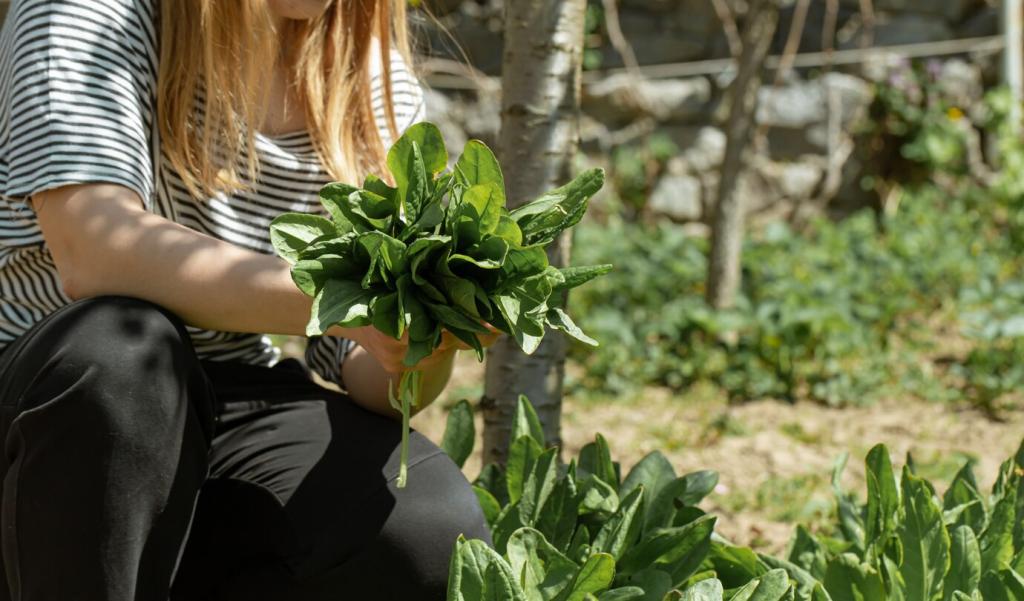
Treat scraps as future fertility. Citrus peels become worm treats in moderation, twigs become biochar, and cardboard becomes weed-suppressing mulch. Share one clever reuse you’ve tried, and inspire another gardener to rethink their “trash.”

Set Measurable Waste Goals

Start with simple targets: divert one bucket of kitchen scraps weekly, or eliminate single-use plastics in your potting routine. Track your wins, adjust quickly, and celebrate every handful of composted goodness.

Composting That Fits Your Life

A balanced 2:1 browns-to-greens ratio can heat piles to 55–65°C, killing weed seeds. Cold composting is slower yet forgiving. Turn when edges feel cool, and keep it moist like a wrung sponge for steady transformation.

Water Wisdom In A Closed Loop

One inch of rain on a 1,000‑square‑foot roof yields about 623 gallons. Fit gutters, screens, and food‑grade barrels. Mulch basins around plants slow, spread, and sink water directly into thirsty root zones.

Water Wisdom In A Closed Loop

Redirect laundry water using plant‑safe soaps to fruit trees and ornamentals, not leafy greens. Filter lint, disperse broadly, and rest zones between cycles. Share your graywater setup ideas and learn from other gardeners’ experiences.

This is the heading

Lorem ipsum dolor sit amet, consectetur adipiscing elit. Ut elit tellus, luctus nec ullamcorper mattis, pulvinar dapibus leo.
This is the heading

Lorem ipsum dolor sit amet, consectetur adipiscing elit. Ut elit tellus, luctus nec ullamcorper mattis, pulvinar dapibus leo.

Soil Health From Everyday Scraps

Pile autumn leaves, moisten, and aerate occasionally. In 6–12 months, you’ll have dark, crumbly leaf mold that boosts moisture retention and microbial life. It’s effortless, elegant, and wonderfully circular.

Soil Health From Everyday Scraps

Convert woody prunings into biochar and charge it with compost tea before adding to beds. Biochar stores carbon, improves structure, and keeps nutrients cycling, further reducing the need for outside inputs.

Community Sharing And Circular Abundance

Trade zucchinis for someone’s herbs, donate extras to a pantry, or leave a free basket at your gate. Food shared quickly is food saved from waste—and it plants goodwill everywhere it goes.

Community Sharing And Circular Abundance

Create a neighborhood tool library for seldom‑used items like broadforks or chippers. Fewer purchases mean fewer packages, less storage, and more conversation. Comment if you’d join a local tool share.

Kitchen Scrap Calendar

Match scrap output to compost capacity. After holidays, plan a hot compost build; during slower months, lean on worms or bokashi. This rhythm keeps every peel productively engaged all year.

Rotation That Reduces Inputs

Rotate heavy feeders after legumes, mulch deeply after harvests, and topdress with mature compost. Smart rotation reduces fertilizers, packaging, and waste—while growing richer, more resilient beds over time.

Measure And Celebrate

Track gallons of rain captured, pounds of scraps composted, and tools repaired. Share your monthly totals in the comments, and subscribe for a simple template to visualize your zero‑waste wins.
Ideinfo
Privacy Overview

This website uses cookies so that we can provide you with the best user experience possible. Cookie information is stored in your browser and performs functions such as recognising you when you return to our website and helping our team to understand which sections of the website you find most interesting and useful.